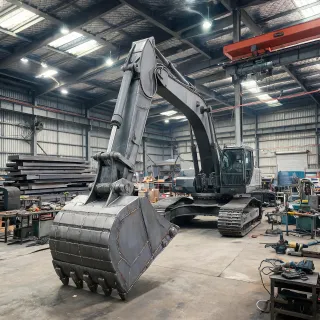
Construction Equipment
High-strength plate supports lighter bodies, booms and attachments while wear grades help buckets and liners handle abrasive soil, aggregate and demolition debris.
Industries
Different sectors ask the same steel to solve different problems: a dump body needs abrasion resistance, a bridge package needs structural reliability, a transport component needs weight discipline and a mining conveyor needs service life. Ssab organizes its carbon and specialty steel support around those application pressures rather than a single generic catalog.
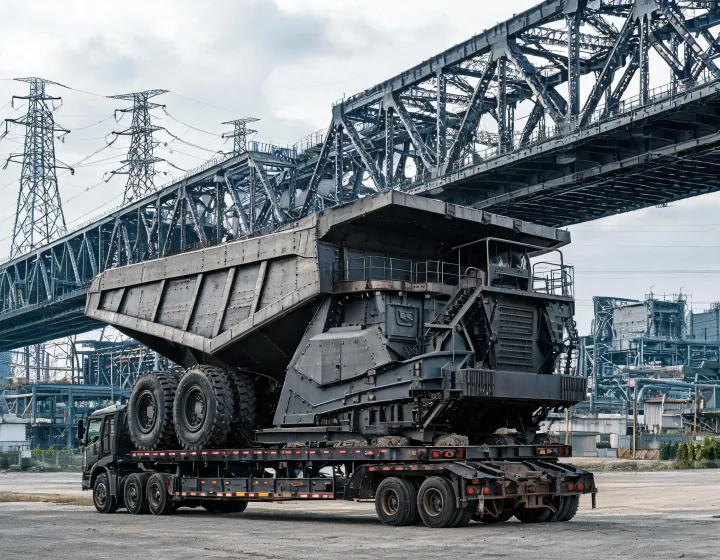
Vertical Markets
High-strength plate supports lighter bodies, booms and attachments while wear grades help buckets and liners handle abrasive soil, aggregate and demolition debris.
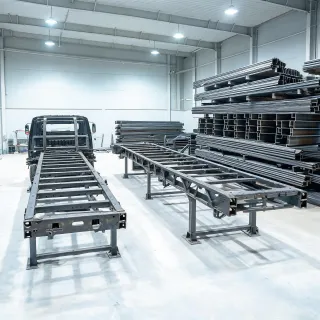
Trailer, truck body and chassis programs need predictable forming, weld performance and strength-to-weight tradeoffs that are visible before production release.
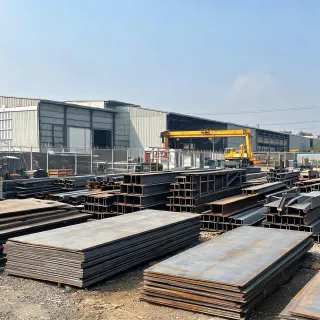
Renewable, grid and industrial energy projects require structural reliability, traceable documentation and supply planning that matches project milestones.
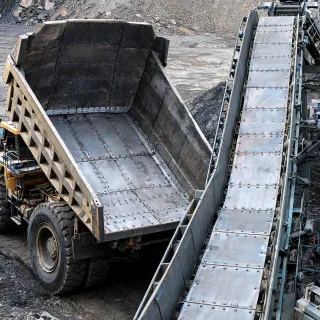
Wear plate selection has to consider impact, sliding abrasion, maintenance windows and the practical methods used to cut, drill and install replacement parts.
Per-Industry Solutions
Engineering teams can compare yield strength, toughness and thickness reduction opportunities before they lock a geometry or weld process.
Cutting, bending, machining and welding expectations are considered early so the selected steel does not create avoidable shop-floor surprises.
Abrasion, impact, corrosion exposure and replacement cycles are translated into practical steel choices for maintenance and uptime planning.
For equipment programs, the useful steel conversation starts with duty cycle and fabrication. A supplier that understands both helps us avoid under-specified wear areas and overbuilt structures.
Engineering manager, mobile equipment OEM
Infrastructure packages need clean documentation as much as material availability. Heat records, certificates and EPD information help our quality team move faster with fewer clarification loops.
Project buyer, structural fabricator
Tell Ssab where the material works, how it is fabricated and what evidence your customer requires. The recommendation can be built around those constraints.