Lower-Carbon Process Routes
Develop and qualify steel made with recycled feedstock, optimized furnace practice and hydrogen-reduced iron inputs while keeping mechanical properties visible to the customer.
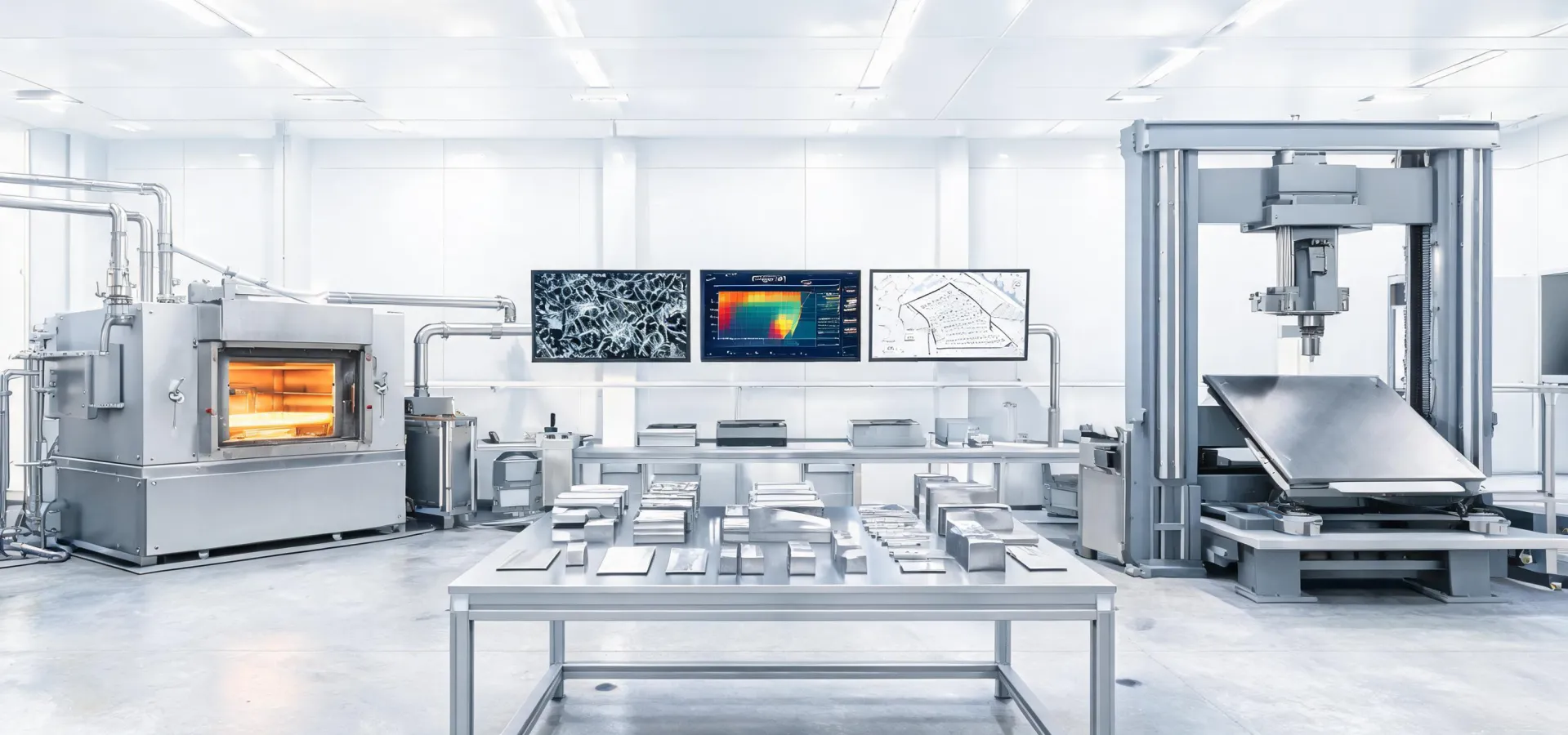
Technology
Technology is not a slogan on a steel project. It is the controlled link between raw material route, melt practice, rolling behavior, test data and the certificates a customer can use when the material enters production.
R&D Commitment
Ssab's technology story is written around qualification. Hydrogen-reduced iron, recycled-content steel, digital melt control and high-strength grade development are valuable only when they can be tested against toughness, weldability, flatness, forming behavior and long-term availability. The work is therefore practical: move promising processes from pilot data into repeatable material programs that engineers, buyers and quality teams can specify with confidence.
Develop and qualify steel made with recycled feedstock, optimized furnace practice and hydrogen-reduced iron inputs while keeping mechanical properties visible to the customer.
Refine high-strength, wear-resistant and specialty steels for lighter structures, longer service intervals and controlled fabrication behavior in real production environments.
Connect heat identity, rolling data, test results and environmental product information so project teams can move from material choice to audit-ready documentation.
Roadmap Progress
Pilot material routes are evaluated against chemical control, rolling response and customer qualification needs.
Scrap sorting, melt practice and traceability controls help recycled inputs support demanding carbon steel applications.
Documentation work links product-level environmental data with heat references and mill certificate workflows.
Bring the application, target properties, CO2 reporting needs and release timeline. The team can compare proven grades with emerging low-carbon process options.